Planning & Scheduling
Overview
Planning and scheduling expertise backed by innovation.
Effective planning and scheduling require more than technical proficiency with scheduling tools. It requires deep field experience, the judgment to recognize when a plan is realistic and when it is not, and the ability to turn a schedule into a shared commitment across the project team. PMA’s schedulers have built and managed schedules on some of the most complex capital programs in the country, across airports, healthcare facilities, transportation infrastructure, industrial plants, and other mission-critical environments.
That field experience is what makes PMA’s proprietary innovations credible. PMA developed the Graphical Path Method (GPM), a patented advancement of CPM scheduling, and NetPoint, the software that delivers it, because our practitioners saw firsthand where conventional scheduling tools fell short. PMA has also published the Guide to the Forensic Scheduling Body of Knowledge and Core Traits of a Reliable Schedule, two foundational references for the profession. PMA schedulers are experienced across the full Oracle Primavera ecosystem, including Primavera P6 and Oracle Primavera Cloud, as well as Microsoft Project and other scheduling platforms, working within clients’ existing environments without requiring a platform change.
Key Benefits
Field Experience Behind Every Schedule: PMA’s schedulers bring firsthand experience planning and managing complex capital programs, giving them the insight to build schedules grounded in how projects are actually delivered.
Technology That Advances Practice: From CPM to PMA’s patented GPM, we apply the right tool for each engagement, with proprietary software, published methodology, and AI-assisted analysis that improve schedule reliability and confidence in completion dates.
Independent Analysis You Can Defend: Whether reviewing contractor schedules, supporting claims, or establishing a baseline, PMA’s work follows industry-standard protocols—including AACE International RP-29R-03, producing analyses that hold up under scrutiny.
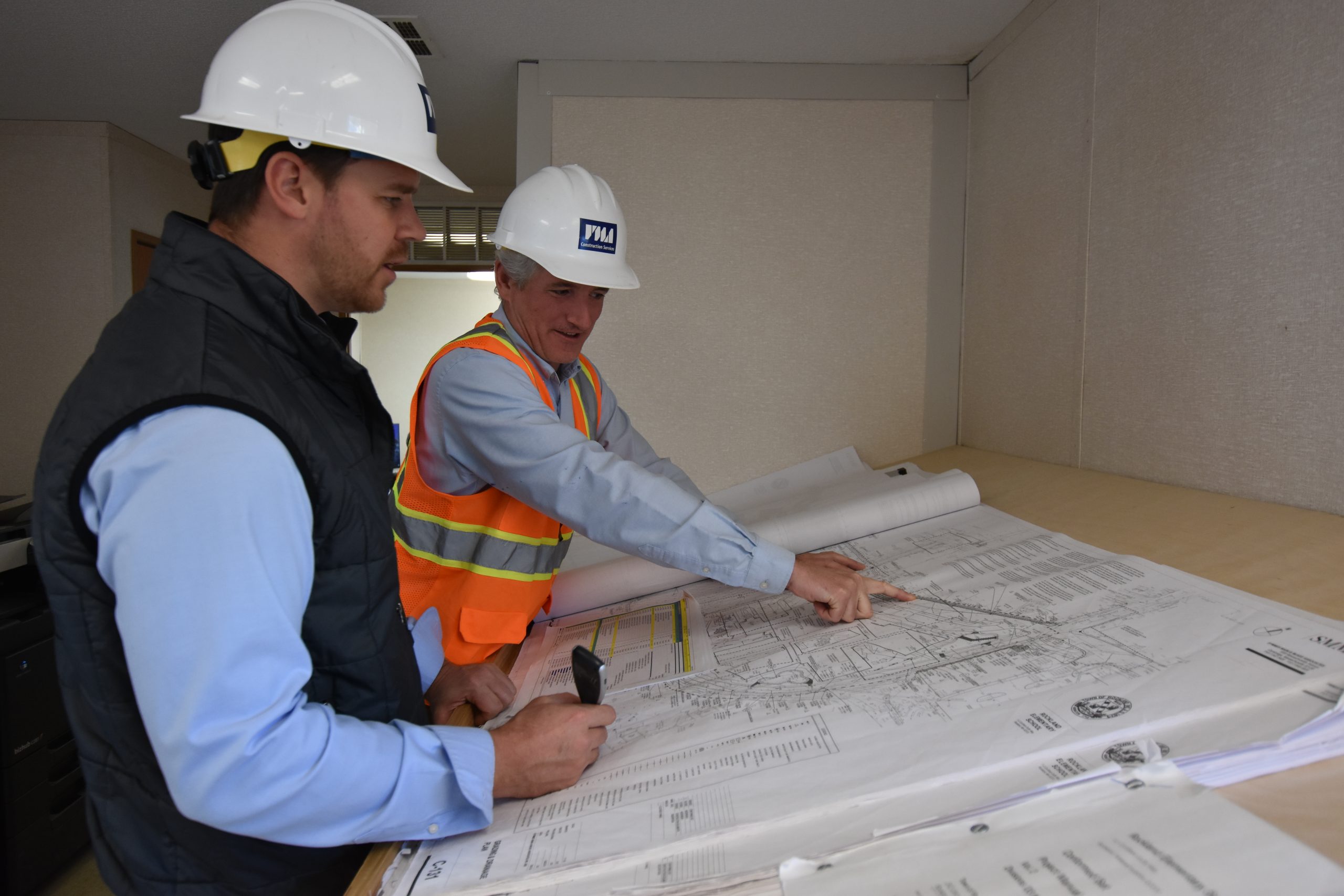
Planning & Scheduling Services

Interactive Planning
Collaborative planning sessions that bring owners, designers, contractors, and systems integrators together to develop, validate, and align project schedules and to confirm WBS structure, activity sequencing, milestones, and logic before work begins or as a program evolves. Sessions are facilitated using PMA’s proprietary NetPoint software and structured by discipline, workstream, or project area to maximize participation across complex programs.
Schedule Development
Project and program schedules developed using CPM methodology and industry-standard tools, including Oracle Primavera P6, Oracle Primavera Cloud, and Microsoft Project, to work within the client’s existing environment. Where appropriate, PMA applies NetPoint and the Graphical Path Method, a patented advancement of CPM that delivers self-healing, real-time schedules with greater reliability under changing project conditions. From the earliest planning stages, schedules reflect planned execution and account for long-lead procurement, commissioning constraints, and phasing requirements.
Schedule Controls
Rigorous schedule monitoring, progress measurement, and performance reporting across all phases of a program, including cost and resource loading, to give owners early warning of variance, critical path changes, and emerging schedule impacts before completion dates are compromised.
Schedule Review
Independent review and validation of owner-managed or contractor-submitted schedules following PMA’s Core Traits of a Reliable Schedule protocol that assesses logic, sequencing, resource loading, and contract compliance to establish a defensible baseline, track progress, manage time extension requests, and protect owner interests.
Schedule Delay & Acceleration Analysis
Forensic and prospective analyses of schedule delays, disruptions, and acceleration efforts using established methodologies, including AACE International RP-29R-03, to identify cause, responsibility, and impact to support resolution, negotiation, or litigation. Also listed under Construction Claims & Dispute Resolution.