Recognizing Water Quality Month through Infrastructure Innovation and Investment
August is Water Quality Month and here at PMA, we are privileged to work on a variety of water and wastewater projects. While each of our regions is involved in this effort, our Detroit office is particularly prolific in this industry, celebrating a 40-year working relationship focused on the Great Lakes Water Authority (GLWA) infrastructure.
Each water project helps provide the community with solutions to specific problems such as drinking water supply reliability, wastewater treatment, energy efficiency, aging infrastructure, or limited facility capacity. With all of these projects, runoff is one of the biggest considerations, as it causes erosion, pollution, and overall degradation to water quality. While there are multiple solutions to runoff, one way that communities combat it is through combined sewer overflow (CSO) facilities, which keep untreated sewage from being discharged into natural water bodies, violating environmental regulations, and posing health risks.
PMA is currently managing the design and construction of the $72 million Oakwood CSO and Leib CSO Facilities project, which is ready to start construction in October 2025. Based in Detroit, these upgrades target treating multiple redirected flows that are running into the Rouge River watershed. During a large storm event, the facilities will accommodate approximately 900 cubic feet per second of diverted flows. With more flows of a larger size being directed into CSO facilities, the area’s water quality will be greatly improved.
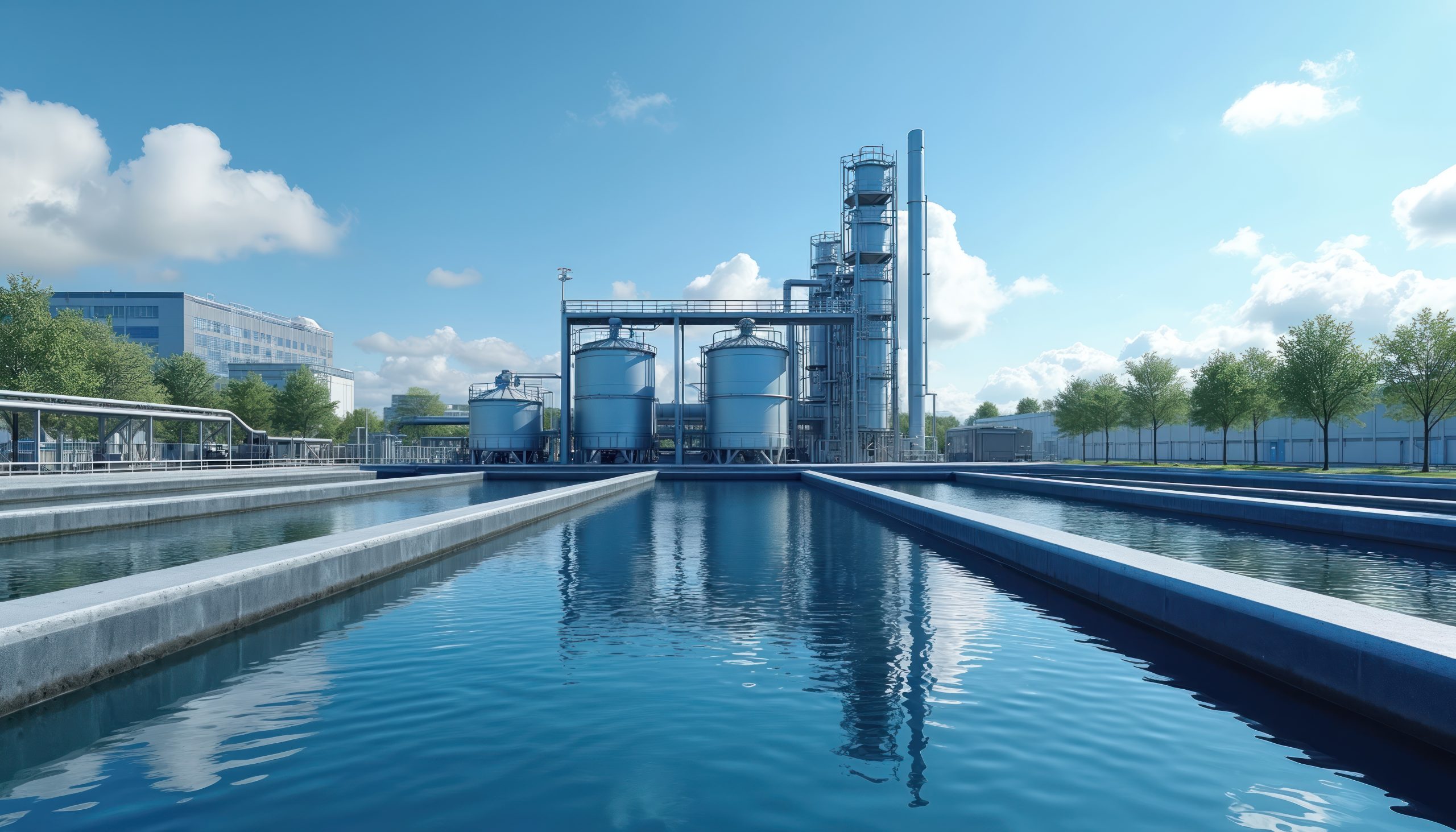
Because of its critical impact on the community, this project has received funding from the Department of Environment, Great Lakes, and Energy (EGLE) as part of their Clean Water State Revolving Fund, providing public entities with low-interest loans for projects that improve public health and water quality. Congress established this fund in 1987 as part of the Water Quality Act, directed at drinking water and stormwater infrastructure efforts. To gain this funding, GLWA had to achieve status as a high priority project. As part of our role, PMA is responsible for helping manage the funding process throughout the project’s lifecycle.
Infrastructure funding for water projects is essential to maintaining public health, environmental integrity, and long-term community resilience. Investments like those from the Clean Water State Revolving Fund enable cities to address aging infrastructure, improve energy efficiency, and expand facility capacity—all while ensuring compliance with environmental regulations. Projects such as the Oakwood and Leib CSO Facilities in Detroit demonstrate how targeted funding can lead to tangible improvements in water quality by managing runoff and preventing untreated sewage from entering natural waterways. Without this financial support, many communities would struggle to implement the large-scale solutions necessary to protect their water resources and meet growing demands.
Water Quality Month serves as a timely reminder of the vital role infrastructure funding plays in safeguarding our water systems. Through strategic partnerships and sustained investment, PMA and GLWA are able to deliver impactful solutions that benefit both the environment and public health. As climate challenges intensify and infrastructure ages, continued support for water projects will be crucial to building a cleaner, safer, and more sustainable future.